2025.08.22-08.25 ACMES Co-Organized Training Delegate with BIDMC
ACMES 2026 Annual Meeting Concludes Successfully: Advancing Medical Innovation and International Exchange
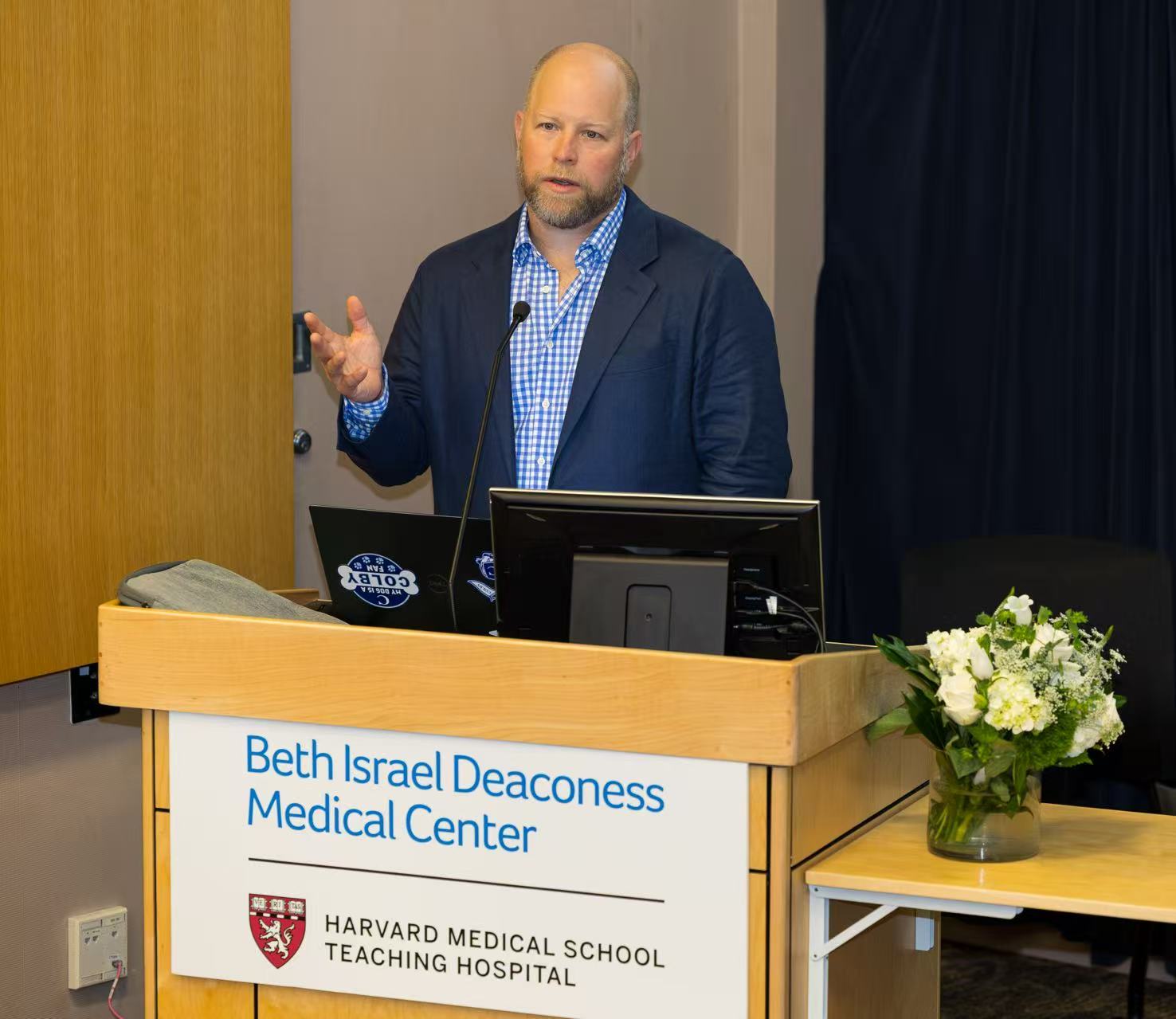
On August 22, 2026, the American Chinese Medical Exchange Society (ACMES) held its 2026 Annual Meeting in Boston at Sherman Auditorium, Beth Israel Deaconess Medical Center (BIDMC), one of Harvard Medical School’s major teaching hospitals.
Under the theme “Medical Advances 2026,” the meeting brought together more than one hundred experts and professionals from clinical medicine, biomedical research, pharmacy, medical law, and health-system management. Hospital leaders, pharmacists, physicians, and other health professionals from Shanghai, Guangzhou, and other parts of China also participated. The program highlighted advances in medicine, clinical practice, hospital management, and professional collaboration, giving the meeting a distinctly international character.
At a time when international professional exchange has become more complex and cross-border collaboration faces additional challenges, dialogue in medicine is especially valuable. Disease, population aging, chronic illness, emerging technologies, and public health challenges do not stop at national borders. By bringing professionals from different health systems together around shared clinical and scientific questions, the meeting underscored the continuing importance of professional exchange in advancing understanding, collaboration, and human health.
Part I: Opening Remarks and Introduction to ACMES
ACMES President Xue-Jun “June” Kong, MD, opened the meeting on behalf of the Board and Executive Committee. She welcomed guests and speakers from the United States and China, thanked the many individuals who contributed to the preparation of the meeting, and introduced the mission of ACMES.
ACMES is a 501(c)(3) nonprofit organization for medical professionals. Through academic conferences, continuing medical education, international physician training, medical publications, and professional collaboration, the Society seeks to create bridges among different countries and health systems. Dr. Kong emphasized the importance of knowledge sharing, professional relationships, and practical cooperation, and expressed the hope that ACMES would continue to serve as a platform connecting medical professionals across institutions, specialties, and borders.
Part II: Scientific and Clinical Program
Transplantation: From Normothermic Perfusion to Robotic Surgery
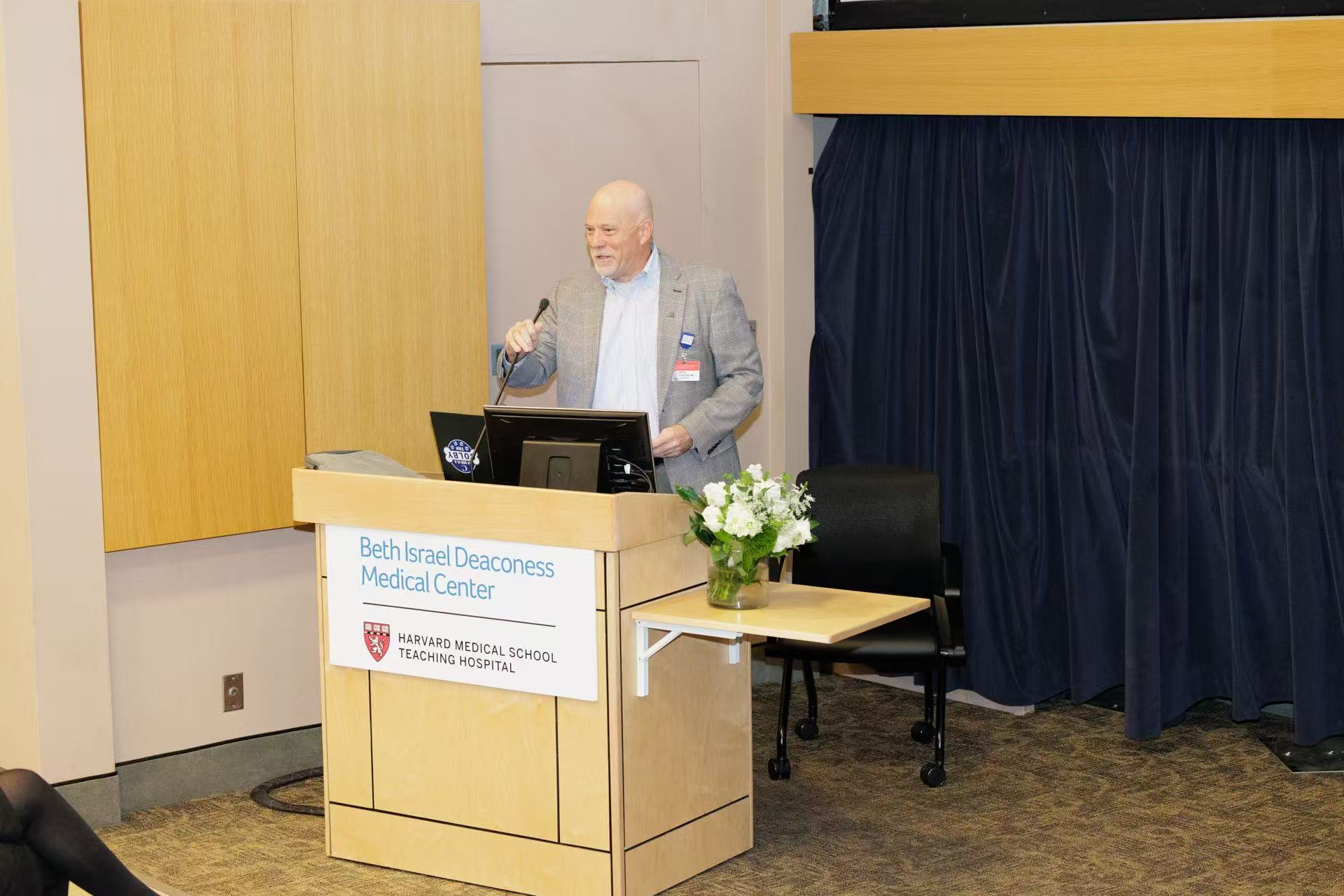
The first speaker was Devin Eckhoff, MD, Chief of Transplantation and Director of the Transplant Institute at BIDMC and the Peter Medawar Professor of Surgery at Harvard Medical School. His presentation on advances in liver transplantation and hepatobiliary surgery opened the scientific program.
A particularly striking theme was how modern transplant medicine is changing the traditional concept of an organ outside the body. Whereas donor organs were once preserved primarily through cold storage, normothermic perfusion now allows an explanted liver to continue receiving blood and oxygen under near-physiologic conditions while clinicians monitor parameters such as blood flow, pressure, and bile production. In effect, the system functions like a small “ICU” for the donor organ. Beyond extending preservation time, it may allow clinicians to assess organ function more carefully before transplantation and potentially use organs that might previously have been declined.
Dr. Eckhoff also presented recent experience with A-NRP: among 490 donors, 415 livers were recovered and 363 were ultimately transplanted, corresponding to an 87.5% liver utilization rate. These numbers illustrate how new preservation and recovery strategies may help translate a limited donor supply into more lifesaving transplants.
In discussing living-donor liver transplantation, he showed a memorable image of a son donating part of his liver to his mother. The example made the science of transplantation deeply human: a healthy person accepts surgery so that a family member may have another chance at life. Dr. Eckhoff also described how robotic-assisted surgery can reduce the burden on living donors, with some patients leaving the hospital within three to four days after surgery.
A question from a Chinese participant raised the topic of xenotransplantation. Dr. Eckhoff stressed that, although the field is receiving broad attention, progress must remain careful and stepwise—“learn to walk before you run.” Robotic surgical footage also prompted discussion of artificial intelligence. He explained that current robotic systems do not independently perform the operation; the surgeon remains responsible for judgment and control. The robot acts more like a highly stable and precise pair of hands executing the surgeon’s commands.
Structural Heart Disease: Transcatheter Therapy and AI-Assisted Diagnosis
The second speaker, Jamie McCabe, MD, is a leader in structural heart disease at BIDMC and holds the David and Nancy Auth Endowed Chair in Cardiac Innovation. His clinical work focuses on catheter-based repair and replacement of heart valves.
Dr. McCabe reminded the audience that symptoms often attributed simply to aging—slower walking, fatigue, shortness of breath with activity, or syncope—may instead signal valvular heart disease. Echocardiography and other evaluations can help determine whether a structural cardiac problem is present. Today, treatment no longer necessarily requires open-heart surgery: for selected patients, transcatheter repair or valve replacement can reduce procedural trauma and recovery time.
He emphasized patient education and individualized decision-making. Using his own father as an example, Dr. McCabe noted that physicians should not simply make decisions for patients but should explain the disease, risks, alternatives, and timing so that patients can participate meaningfully. In response to a question about whether there is an age cutoff for high-cost valve interventions in very elderly patients, he stressed that age alone is not enough. Expected benefit, procedural risk, life expectancy, overall health, and patient preference all need to be considered. Medicine treats a person, not an isolated age number.
Dr. McCabe also described an AI-enabled digital auscultation tool that can convert heart sounds and murmurs into recordable, analyzable data and assist in identifying murmurs, heart rate, and selected rhythm abnormalities. If the earlier transplant lecture showed that AI is not yet independently “operating,” this presentation illustrated how AI is already helping clinicians “listen” to the heart.
Obesity Medicine: Beyond Willpower to Comprehensive Chronic-Disease Care
After the coffee break, Zhao Liu, MD, an endocrinologist and physician nutrition specialist at Beth Israel Lahey Health and ACMES Medical Director, presented an update on obesity management.
Dr. Liu began with a deceptively simple question: why do people develop obesity? She emphasized that obesity is far more complex than “eating too much and exercising too little.” Genetics, inadequate sleep, sedentary behavior, endocrine disorders, medications, pregnancy-related factors, highly processed foods, sugar, and calorie-dense diets may all contribute. Eating behavior is also shaped by the brain, reward, emotion, environment, and social context.
A case involving severe obesity together with emotional eating, chronic pain, and multiple psychological and social stressors made the point concrete: obesity is a complex chronic disease, and the number on the scale is only one part of the clinical problem. Dr. Liu also reviewed clinical trial data comparing pharmacologic therapy plus lifestyle intervention with lifestyle intervention alone and emphasized that clinically meaningful weight reduction may improve hypertension, hyperglycemia, type 2 diabetes, fatty liver disease, sleep apnea, joint disease, and cardiovascular risk.
The central message was clear: obesity is not simply a failure of willpower. Effective care often requires an individualized combination of nutrition, physical activity, behavioral intervention, medication, and, for selected patients, metabolic or bariatric surgery.
Chronic Hepatitis B and Metabolic Liver Disease
Calvin Pan, MD, Clinical Professor of Medicine in Gastroenterology and Hepatology at NYU, delivered his presentation by video. His lecture focused on the management of chronic hepatitis B in patients who also have metabolic dysfunction-associated steatotic liver disease (MASLD).
As obesity, diabetes, dyslipidemia, and fatty liver become more common, many patients with chronic hepatitis B face liver injury driven by both viral and metabolic factors. Dr. Pan emphasized that management should extend beyond viral markers to include assessment of fibrosis and liver cancer risk, together with control of body weight, glucose, lipids, and other metabolic risk factors. Lifestyle intervention remains fundamental, and selected patients with severe obesity may also be considered for metabolic or bariatric surgery.
He also reviewed recent advances in pharmacologic treatment of steatohepatitis. Overall, the coexistence of viral and metabolic liver disease makes long-term management increasingly complex and calls for integrated attention to viral activity, metabolism, fibrosis, and cardiovascular risk.
General Surgery: Evolving Treatment Strategies and Medical Knowledge
The first afternoon lecture was given by Wenliang Chen, MD, PhD, a board-certified general surgeon at Beth Israel Deaconess Hospital–Plymouth and Senior Deputy Editor for General Surgery at UpToDate.
His presentation, “Advances in General Surgery,” reviewed changing approaches to common surgical conditions including diverticulitis, appendicitis, small-bowel obstruction, inguinal hernia, and abdominal wall hernia. One notable example was uncomplicated appendicitis: while appendectomy remains a standard treatment, contemporary evidence supports antibiotics as an option for selected patients without perforation, abscess, or other severe complications.
Dr. Chen also discussed the role of UpToDate in continuously updating clinical knowledge. Unlike traditional printed textbooks that may require years between editions, evidence-based digital resources can evolve as new research emerges. Turning to robotics and AI, he compared the robot to “hardware” and the surgeon to “software.” Today the surgeon remains directly in control, but in the future some functions may increasingly be supported by AI, with physicians retaining responsibility for oversight, judgment, and safety.
Medical Law: Clinical Judgment, Standard of Care, and Risk Prevention
The program then moved to medical law. David M. Gould, an experienced attorney who has focused on medical-legal matters for more than three decades, discussed malpractice, professional responsibility, and liability prevention.
Drawing on years of litigation experience, Mr. Gould reviewed several elements relevant to medical negligence, including the clinician-patient relationship, whether the applicable duty or standard of care was breached, causation, and whether the patient sustained legally recognizable harm. He emphasized that an unfavorable outcome alone does not establish malpractice; the key question is whether care met the standard expected under the circumstances.
The topic generated vigorous discussion. Participants noted that real clinical care is not simply mechanical adherence to protocols. Physicians often need to balance standardized guidance with individualized judgment based on the patient’s condition, goals, and preferences. How to preserve appropriate clinical discretion while meeting professional and legal standards remains an enduring challenge.
Mr. Gould also stressed the importance of complete medical documentation. Timely and accurate records of history, examination, treatment decisions, patient communication, and follow-up can help reconstruct the clinical reasoning if questions later arise. His broader message was that medical law is not only about responding to litigation after the fact, but also about learning from prior cases to improve risk prevention, quality, and patient safety.
Artificial Intelligence in Pharmacotherapy and Biomedical Research
Alexander Wen, PharmD, BCOP, a senior clinical oncology pharmacist at Dana-Farber Cancer Institute, presented “Practical Applications of Artificial Intelligence in Pharmacotherapy and Biomedical Research.” He discussed potential uses of AI in drug development, efficacy and toxicity prediction, drug-interaction analysis, and individualized treatment.
The presentation also addressed limitations of generative AI in medical information retrieval. Examples using different AI tools illustrated that outputs may be inaccurate, incomplete, or outdated, reinforcing the need for professional verification and judgment. As AI becomes more deeply integrated into drug development and clinical decision-making, maximizing efficiency while preserving information quality and patient safety will remain a major challenge.
Health Information Systems and Medication Safety
Min Zhang, PharmD, BCPS, BCIDP, then presented “Enhancing Inpatient Medication Safety and Clinical Outcomes through CPOE, Evidence-Based and Standardized Order Panels,” focusing on computerized physician order entry and evidence-based standardized order modules in inpatient medication management.
Dr. Zhang highlighted “alert fatigue.” Electronic systems may generate warnings about drug interactions, dosing, age, duplication, and other risks. Although these alerts are intended to improve safety, excessive warnings can desensitize clinicians and obscure the alerts that matter most. Medication-safety teams therefore need to review alert logic regularly and determine which warnings are clinically meaningful, which thresholds should be adjusted, and which alerts should be tailored to factors such as age, renal function, dose, and clinical context.
She also described standardized order panels and order sets that integrate medications, doses, laboratory monitoring, and other evidence-based elements directly into clinical workflow. The goal is not to generate more alerts, but to deliver the most useful information at the moment clinicians need it.
Part III: Perspectives from Chinese Hospitals and Clinical Practice
The meeting then turned to perspectives from Chinese hospitals and clinical practice.
Mei Feng, MD, Vice President of Sichuan Provincial People’s Hospital / Sichuan Academy of Medical Sciences, presented “Hospital Platform Development to Promote High-Quality Growth,” describing how a large public hospital can use platform-based development to strengthen regional coordination of care.
Sichuan Provincial People’s Hospital has 4,529 beds, approximately 7,000 employees, and roughly 6.9 million patient visits in 2025. Rather than focusing only on expansion of the tertiary hospital itself, Dr. Feng described how technology, talent, management expertise, and quality standards can be extended across the regional health system. A representative model is the “1+1+N” tiered network, linking a provincial center, a regional or county hub, and multiple community and primary-care institutions. Laboratory alliances, regional testing centers, mutual recognition of results, and tiered quality-control systems further support standardization and resource sharing.
Xiaolan Bian, Director of Pharmacy at Ruijin Hospital, Shanghai Jiao Tong University School of Medicine, then described pharmacist-led services in a cough and wheeze clinic. Since 2020, the clinic has served patients with asthma, chronic obstructive pulmonary disease, chronic bronchitis, and chronic cough, with particular attention to inhaler technique, multiple inhaled therapies, polypharmacy in older adults, and medication adherence.
Her presentation illustrated how pharmacists’ roles are expanding beyond dispensing and counseling to include inhaler education, medication reconciliation, adverse-event recognition, lifestyle guidance, and participation in long-term disease management through multidisciplinary care models.
Together, the U.S. and Chinese presentations created a meaningful two-way exchange. Chinese participants gained insight into U.S. clinical innovation, medical technology, and management, while U.S. colleagues heard perspectives on regional coordination, pharmacy practice, and health-system development in China.
Part IV: Certificates, Recognition, and Dinner Reception
Audience participation remained strong throughout the meeting. Nearly every lecture was followed by questions about clinical practice, treatment choices, new technologies, and professional issues. Because discussion was so active and the schedule was limited, moderators occasionally had to restrict the number and length of questions.
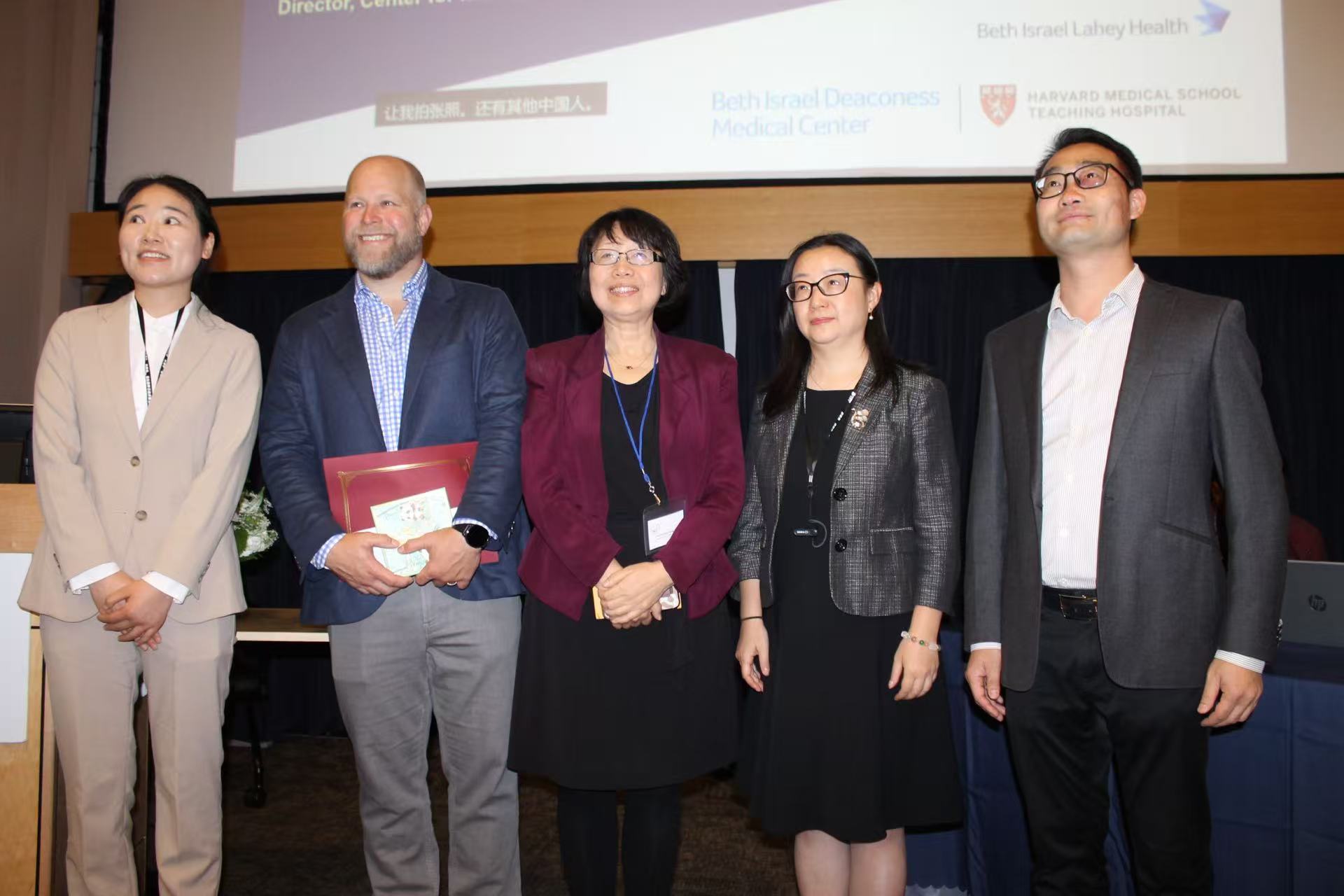
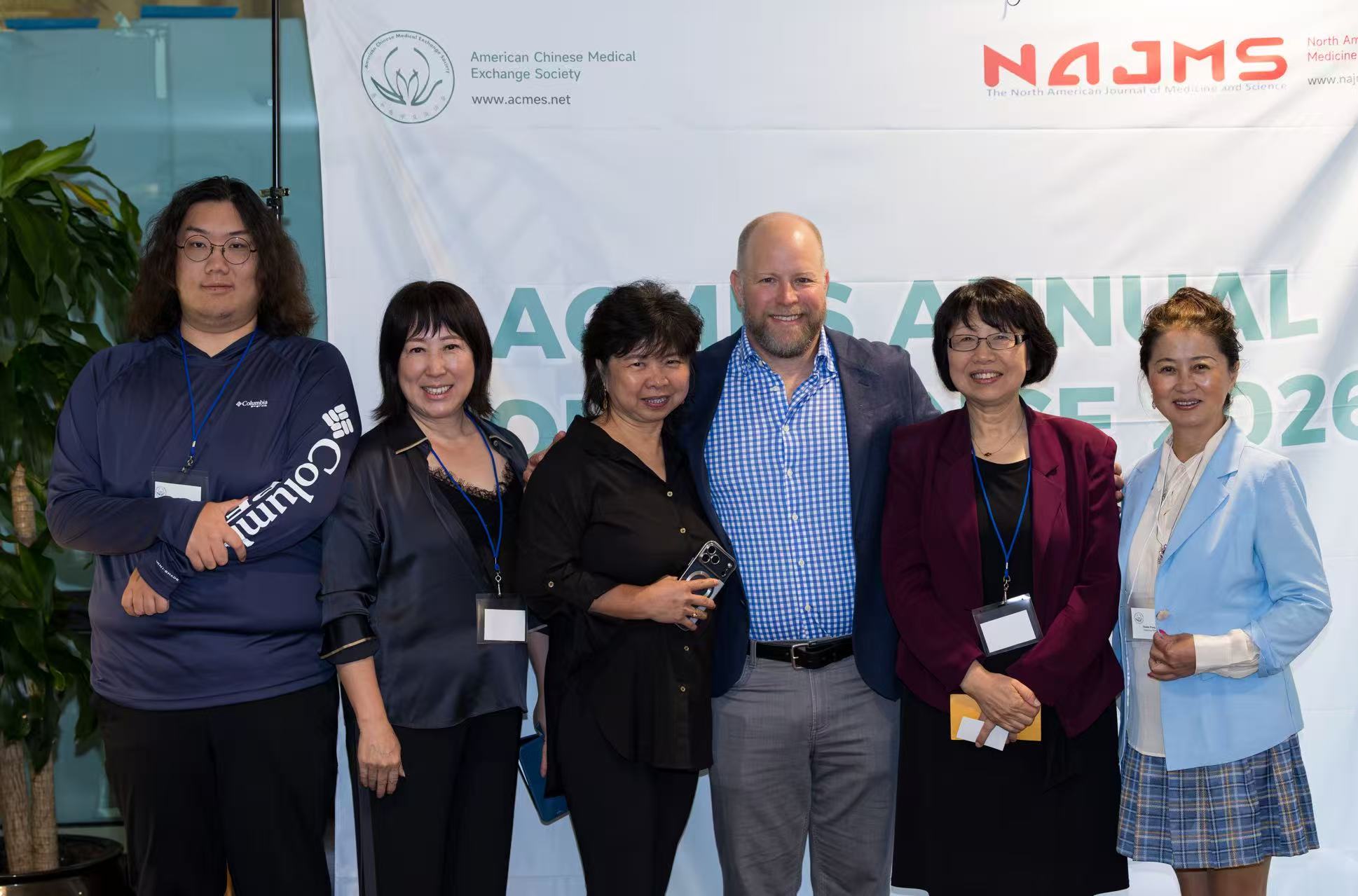
After each presentation, ACMES presented a certificate of appreciation to the speaker. Members of the visiting Chinese delegation also offered commemorative gifts, and many participants continued their conversations during breaks and lunch, extending professional connections beyond the formal sessions.
After the scientific program, more than 90 guests and invited participants attended a dinner reception co-hosted by Xue-Jun Kong, MD, and Jason Li, PhD.
Before dinner, Dr. Kong again thanked the speakers, guests, organizers, moderators, staff, volunteers, and supporters. She also introduced invited guests and long-time colleagues, including Bruce Rosen, MD, PhD, Professor at Harvard Medical School, member of the National Academy of Medicine, and Director of the Athinoula A. Martinos Center for Biomedical Imaging at Massachusetts General Hospital; William Stone, MD, Professor at Harvard Medical School and faculty member in Psychiatry at BIDMC; and Frank Slack, PhD, Professor at Harvard Medical School and Director of the Harvard Medical School Initiative for RNA Medicine. Jason Li then welcomed the visiting medical delegation and thanked participants from both countries for helping make the exchange possible.
The dinner provided a more informal setting for discussions about clinical practice, research interests, and future collaboration. In this setting, the scientific exchange of the day naturally continued through direct, personal conversation.
Part V: Extended Program - Health-System Leadership, Translational Medicine, and Educational Visits
Following the August 22 Annual Meeting, the visiting medical delegation continued its professional and educational program in Boston on August 24 and 25, extending the exchange into health-system leadership, pharmacy services, translational research, and medical education.
August 24: Pharmacy Leadership, Translational Research, and Hospital Operations
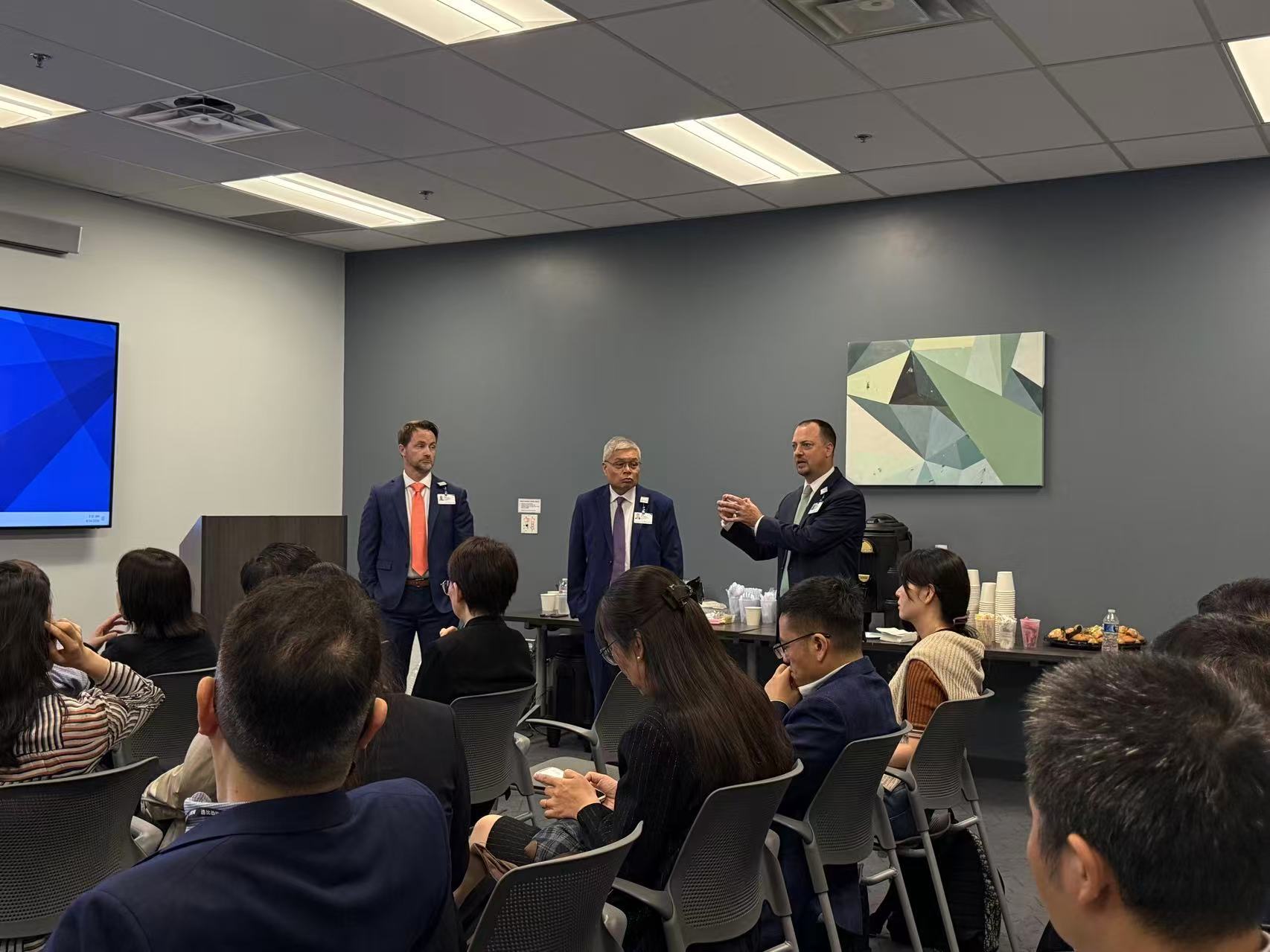
On the morning of August 24, the delegation visited Beth Israel Lahey Health Pharmacy and met with pharmacy leaders including Jess de Jesus, PharmD, MBA/HCM, FACHE; Neil Gilchrist, PharmD, MBA, FACHE, FMSHP, BCPS; and John Marshall, PharmD, BCCCP, FCCM.
Discussions addressed pharmacy strategy in an integrated health system, clinical pharmacy services, operations, medication safety, specialty pharmacy, technology, staffing, reimbursement, and patient services. The delegation also toured BILH Pharmacy and specialty-pharmacy operations. The visit highlighted how contemporary pharmacy practice extends well beyond medication supply to include clinical decision support, patient safety, quality management, specialty care, and system-wide operations.
The delegation then traveled to the Harvard Medical School Longwood campus and Beth Israel Deaconess Medical Center, including a brief visit and group photograph at Harvard Medical School.
In the afternoon, Wei Tao, PhD, Director of the Blavatnik Harvard Life Lab Longwood, presented “From Biomedical Discovery to Innovation: Translating Academic Research into Healthcare Impact.” He described how biomedical discoveries can move toward new technologies, therapeutics, and health applications through an innovation environment that connects laboratory infrastructure, entrepreneurship, science, and industry.
Xin Tang, PhD, Assistant Professor of Neurosurgery at Boston Children’s Hospital and Harvard Medical School, then discussed stem cells, genetic engineering, and novel therapeutics. His research uses human stem cells, CRISPR genome editing, organoids, single-cell sequencing, and high-throughput drug screening to connect fundamental neuroscience and disease modeling with the development of precision therapies.
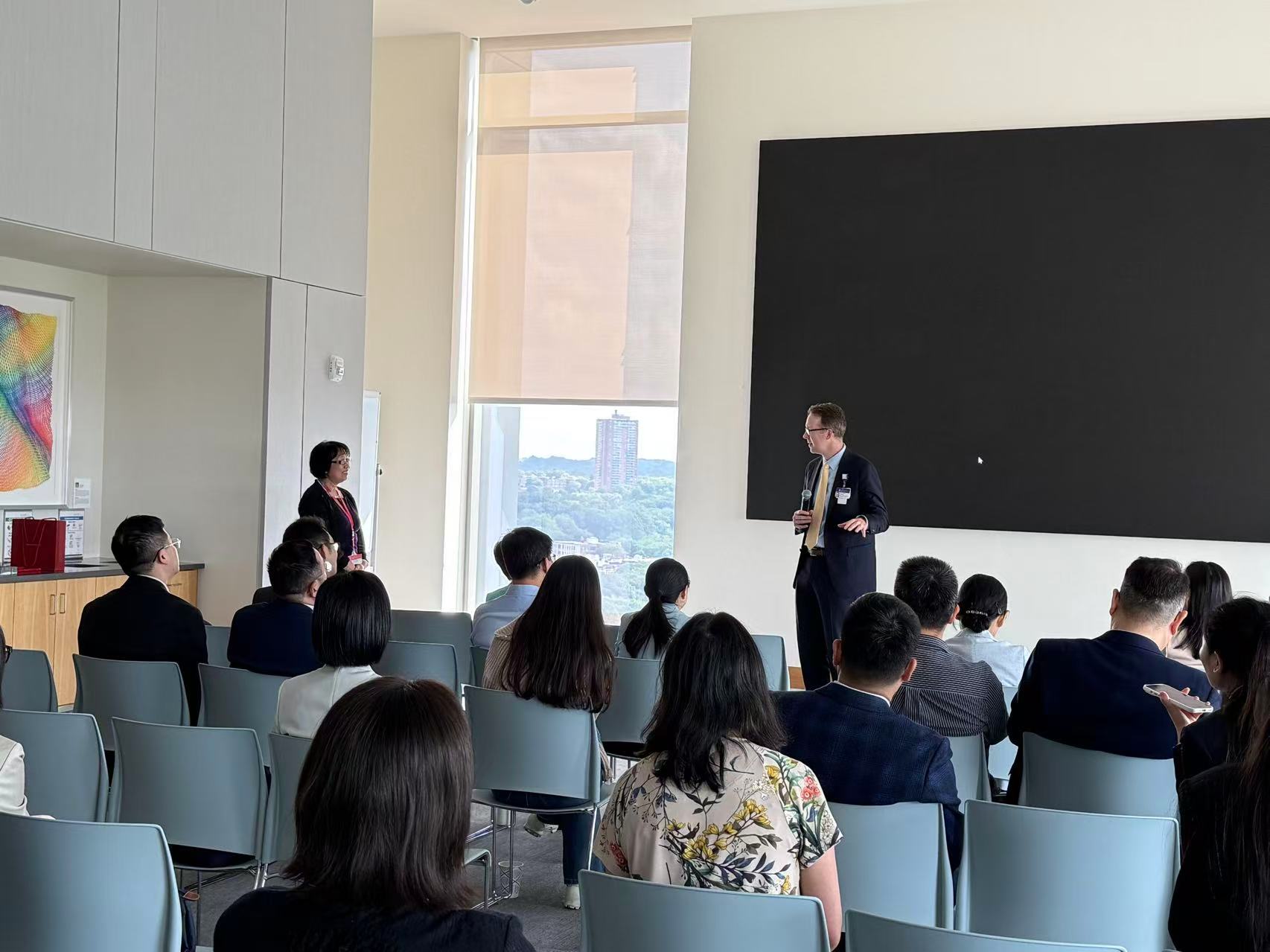
The program also addressed leadership and operations in a major U.S. academic medical center. Matthew Larkin, Chief Operating Officer of BIDMC, joined a discussion on strategy, quality, clinical operations, and healthcare delivery, giving participants a senior-management perspective on coordination, efficiency, quality, and day-to-day operations in an academic health center.
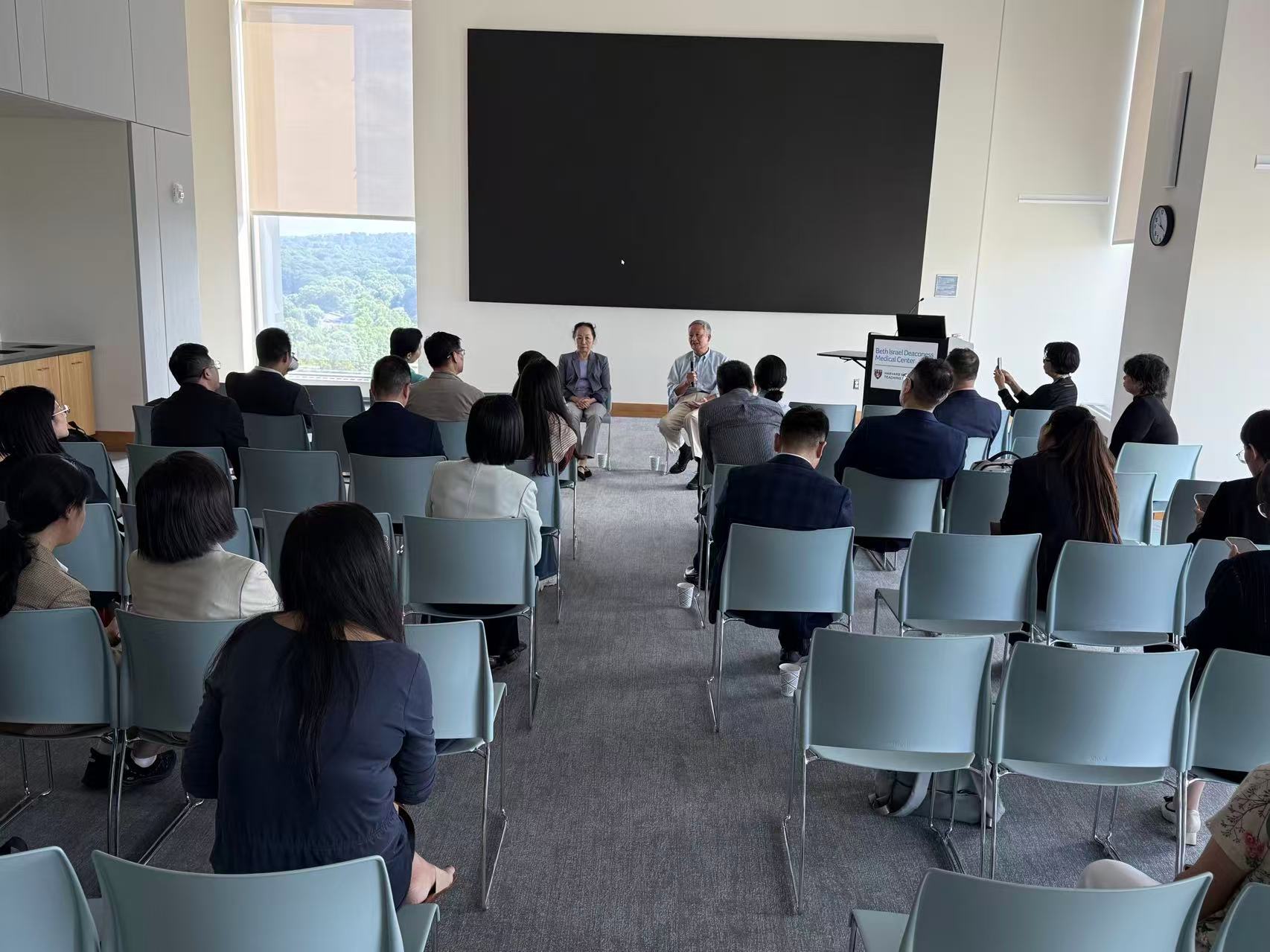
A roundtable on “From Scientific Innovation to Healthcare Delivery and Health-System Leadership” followed, with Jianren Mao, MD, PhD; Lucy Chen, MD; and Xue-Jun Kong, MD. The discussion connected research innovation, clinical practice, translational medicine, and health-system development, with particular attention to turning academic discoveries into better care and strengthening collaboration across disciplines and institutions.
August 25: Universities, Medical Education, and Medical History
On August 25, the delegation, led by ACMES team members Bing Peng, Jianghe Niu, PhD, Yang Wang, PhD, and colleagues, continued with educational visits to Harvard University and the Massachusetts Institute of Technology, followed by Massachusetts General Hospital (MGH). At MGH, the group heard a presentation on the hospital’s history and visited the Russell Museum and the historic Ether Dome.
From modern biomedical research and health-system management to the physical sites where medical history was made, the day offered another perspective on the development of academic medicine: clinical technology, scientific innovation, and medical education are interconnected and grow from long-standing traditions of scholarship, universities, and patient care.
A Shared Purpose: From Professional Dialogue to Global Health
Across the August 22 Annual Meeting and the extended activities on August 24 and 25, the delegation encountered multiple dimensions of U.S. academic medicine, including clinical care, pharmacy leadership, translational research, hospital operations, medical education, and medical history.
At the same time, U.S. colleagues gained direct exposure to developments and experience from Chinese hospitals in healthcare delivery, regional coordination, pharmacy practice, and hospital management. The exchange was therefore not simply a one-way visit, but an opportunity for different health systems to understand and learn from one another.
At a time when the environment for international exchange has become more complex, face-to-face dialogue grounded in medicine, science, and patient health is especially valuable. Many of the major challenges facing medicine-from chronic disease and population aging to emerging technologies, drug innovation, quality of care, and public health-require collaboration across disciplines, institutions, and national borders.
Health systems may differ, and countries may have different educational traditions and resources, but medical professionals ultimately share the same goals: to advance medicine, improve patient care, and promote human health.
This shared purpose lies at the heart of ACMES. Members of the Society’s leadership team who contributed to organization, moderation, hosting, interpretation, and other support included Weigen Li, MD; Yiqing Song, MD, ScD; Chunqiu Hou, MD; Qiaoxin Yang, MD; Wei Yang, MD; Shunian He, MD; Zheng Sun, MD; and Tong Shi, PharmD, among others. The Society aims to continue building a professional, open, and practical bridge for medical exchange among the United States, China, and the broader international community-creating opportunities for direct dialogue, mutual learning, and collaboration, and helping translate professional exchange into concrete progress in medical education, clinical practice, scientific research, and global health.
Medicine can cross borders. Science advances through exchange. Protecting health is a shared responsibility of medical professionals around the world.